House Cleaning in W13: A Practical, Professional Approach to a Cleaner Home
House cleaning in W13 is about more than keeping surfaces tidy. It is about creating a healthier, calmer, and more comfortable place to live. Whether you are in a busy family home, a flat shared with others, or a property that needs regular upkeep, a reliable routine for house cleaning in W13 can make everyday life noticeably easier. A clean home supports better wellbeing, improves first impressions, and helps preserve furnishings, flooring, and fittings for longer.
For many households, the challenge is not understanding why cleaning matters, but finding a method that works consistently. House cleaning in W13 should fit around real schedules, real homes, and real priorities. That means paying attention to high-traffic areas, choosing the right cleaning products, and knowing when a deeper clean is needed. It also means understanding that every property in W13 has its own layout, lifestyle demands, and maintenance needs.
In a vibrant area like W13, homes can vary from period properties to modern apartments, and each type of home brings different cleaning requirements. Dust may build up quickly in older homes with ornate features, while compact flats may need efficient organization and targeted cleaning to stay fresh. The best approach to house cleaning in W13 is one that is adaptable, practical, and focused on long-term results rather than quick fixes.
Why House Cleaning in W13 Matters
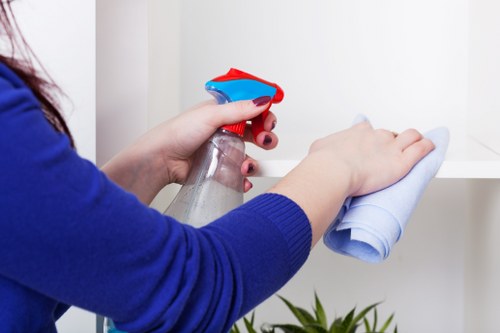
Regular house cleaning in W13 does more than improve appearance. It helps reduce allergens, control odours, and maintain a more hygienic living environment. Dust, pet dander, pollen, and everyday grime can quickly build up in homes, especially when windows are opened often or when several people live under one roof. A consistent cleaning routine can make a noticeable difference to air quality and comfort.
There is also a practical benefit. When cleaning is handled regularly, chores become easier and less time-consuming. Instead of facing a large and overwhelming task every few weeks, smaller cleaning jobs can be managed before they turn into major projects. This is one of the reasons house cleaning in W13 is valued by busy professionals, families, landlords, and anyone who wants a more manageable home environment.
Another important point is home maintenance. Dirt and neglect can wear down surfaces, stain fabrics, and reduce the lifespan of items such as carpets, upholstery, and kitchen appliances. By investing in regular cleaning, homeowners can protect the value and condition of their property. Clean homes tend to age better, and that matters whether you plan to stay for years or eventually move elsewhere.
Understanding the Needs of W13 Homes
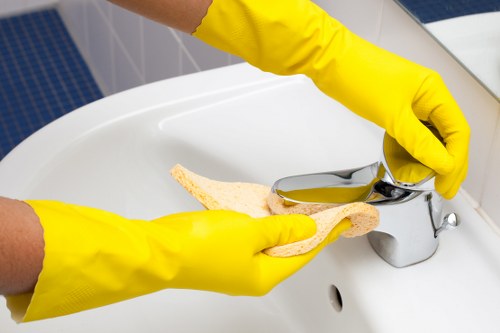
W13 covers a range of residential settings, and house cleaning in W13 should reflect that variety. A family house with children and pets will need a different routine from a studio apartment occupied by one professional. Some homes require frequent attention to kitchens and bathrooms, while others need more focus on dust removal, floor care, or seasonal deep cleaning.
Older properties often have architectural details that need gentle care. Cornices, skirting boards, sash windows, and wooden fixtures can accumulate dust in hard-to-reach places. Meanwhile, newer homes may have open-plan designs, glossy finishes, and contemporary materials that show fingerprints, streaks, and surface marks more easily. A thoughtful cleaning plan accounts for these differences instead of using the same approach everywhere.
Local living patterns also matter. In busy neighbourhoods, homes may collect more outdoor dirt from shoes, bags, and everyday traffic. In shared homes, bathrooms and kitchens may require more frequent sanitising. House cleaning in W13 works best when it is tailored to the specific layout and lifestyle of the household rather than treated as a one-size-fits-all task.
Core Areas to Focus on During House Cleaning in W13
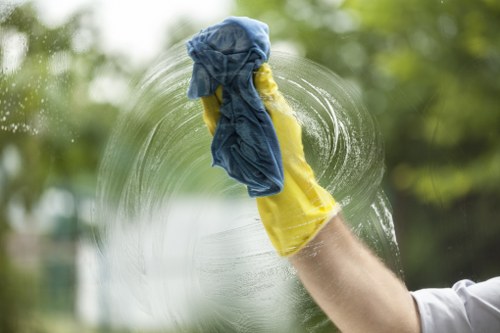
Every cleaning routine should begin with the main spaces that affect day-to-day comfort most directly. These are the rooms that are used often, gather visible mess, and influence how the whole home feels. A structured plan for house cleaning in W13 usually starts with the following areas:
- Kitchen: worktops, sinks, cupboard fronts, appliances, splashbacks, and floors
- Bathroom: toilets, basins, showers, baths, mirrors, tiles, and taps
- Living areas: dusting, vacuuming, soft furnishings, and clutter reduction
- Bedrooms: bedding, surfaces, floors, wardrobes, and under-bed spaces
- Hallways and entrances: shoe dirt, skirting boards, doors, and floors
These are the zones that most influence hygiene and comfort. Kitchens and bathrooms deserve special attention because they are more likely to harbour grease, moisture, bacteria, and limescale. Meanwhile, living rooms and bedrooms benefit from regular dusting and vacuuming, which helps create a calmer and fresher atmosphere. When these core areas are kept in good condition, the entire house feels cleaner.
It is also worth paying attention to neglected spaces. Behind furniture, under beds, around radiators, and along edges of rooms, dirt can build up slowly and silently. House cleaning in W13 becomes much more effective when these hidden spots are included in the routine, even if not every day. The result is a deeper level of cleanliness that lasts longer between sessions.
Daily Habits That Support a Cleaner Home
Good cleaning starts with small habits. A few minutes of care each day can prevent mess from spreading and make larger tasks easier later. House cleaning in W13 does not always need to be time-consuming; often, it is consistency that creates the biggest difference. Simple habits like wiping down surfaces, putting items back in place, and airing rooms can have a lasting effect on how a home feels.
One useful strategy is to clean as you go. In the kitchen, this might mean washing utensils after use, clearing crumbs before they harden, and wiping spills immediately. In the bathroom, it might mean rinsing the sink after use and keeping products organised. In living areas, putting away shoes, books, and accessories daily can help prevent visual clutter from building up. These small actions support a more efficient approach to house cleaning in W13.
It is also helpful to divide responsibilities across the week. Some households choose to focus on one task each day, such as vacuuming on Monday, bathroom cleaning on Tuesday, and bed linen changes midweek. This makes the workload feel more manageable. House cleaning in W13 is often more successful when it becomes a rhythm rather than a once-in-a-while effort.
Simple Habits Worth Keeping
To make the routine easier, many households rely on a short checklist. Useful daily habits include:
- Making beds after waking up
- Wiping kitchen counters after cooking
- Taking bins out before they overflow
- Vacuuming high-traffic areas regularly
- Opening windows briefly for fresh air
These habits take little time but support a noticeably fresher home. They also make occasional deeper cleaning faster and less stressful.
Deep Cleaning and Seasonal Refreshes
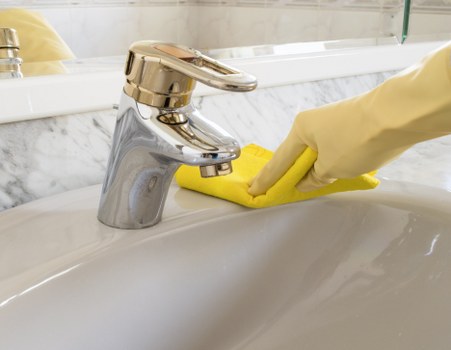
Even with strong daily habits, every property needs a deeper clean from time to time. Deep cleaning focuses on the places that are not part of a standard routine. This may include cleaning behind kitchen appliances, scrubbing grout, washing baseboards, clearing cupboards, and tackling built-up dust in corners or vents. For house cleaning in W13, deep cleaning can be especially valuable at seasonal changes or before special occasions.
Spring and autumn are popular times to refresh a home. In spring, people often want to remove winter dust and make the house feel lighter. In autumn, there is usually more focus on preparing the home for indoor living, when windows are closed more often and heating systems begin to run. These seasonal cleans help reset the house and create a better foundation for everyday upkeep.
Deep cleaning also supports healthier indoor spaces. Kitchens can accumulate grease in places that are not immediately visible, while bathrooms may develop limescale and soap residue. Soft furnishings, carpets, and curtains can trap particles over time. A thorough approach to house cleaning in W13 brings these forgotten areas back under control and improves the overall standard of cleanliness in the home.
Where Deep Cleaning Makes the Biggest Difference
The most noticeable results often come from areas that are usually overlooked:
- Inside and around ovens, microwaves, and fridges
- Behind and beneath furniture
- Grout lines, tile edges, and shower screens
- Window frames, sills, and tracks
- Light switches, door handles, and skirting boards
These spaces may not be visible every day, but they influence the feeling of the whole property. A house that has been deeply cleaned often feels brighter, lighter, and more pleasant to live in.
Choosing the Right Cleaning Products and Tools
The best cleaning results depend on using the right products for each surface. House cleaning in W13 becomes much easier when you understand which tools work best for particular materials. For example, a microfiber cloth is excellent for dusting and polishing, while a soft sponge may be better for delicate surfaces. A good vacuum cleaner is essential for carpets, rugs, and upholstery, especially in homes with pets or children.
Using too many strong chemicals can sometimes do more harm than good. It may dull surfaces, leave residue, or create unpleasant fumes. Instead, a balanced cleaning kit should include all-purpose cleaner, glass cleaner, bathroom cleaner, disinfectant, cloths, brushes, mops, and protective gloves. For some tasks, warm water and mild soap are enough. House cleaning in W13 is often most effective when the right product is matched to the right job.
There is also growing interest in more eco-friendly cleaning choices. Many households now prefer products that are lower in harsh chemicals and more considerate of the environment. This can be a smart option for families with pets, young children, or sensitivities to strong smells. A greener routine still supports excellent results while making the home feel fresher and more comfortable.
Helpful Tools to Keep Ready
A practical cleaning set might include:
- Microfiber cloths
- Scrubbing brushes
- Vacuum cleaner with attachments
- Mop and bucket
- Glass spray and multipurpose cleaner
- Rubber gloves and sponges
Having these basics ready saves time and makes it easier to stay on top of house cleaning in W13 without unnecessary delays.
How House Cleaning in W13 Supports Health and Comfort

A clean home is closely linked to comfort and wellbeing. Dust, mould, pet hair, and bacteria can all contribute to a less pleasant environment if they are left unchecked. House cleaning in W13 helps reduce these issues by keeping surfaces clean and preventing buildup before it becomes problematic. This is especially important for people with allergies, asthma, or other sensitivities.
Bathrooms and kitchens deserve special attention because moisture and residue can create conditions where germs spread more easily. Regular sanitising of sinks, counters, handles, and high-touch surfaces helps support better hygiene. At the same time, clean bedrooms and living areas encourage rest and relaxation. When a home feels fresh, it becomes easier to unwind at the end of a busy day.
There is also a mental health benefit. Cluttered or dirty spaces can feel stressful, while tidy rooms often create a sense of calm and control. House cleaning in W13 does not just improve the physical state of a property; it also supports a better mindset. Many people find that a clean environment helps them focus, sleep better, and enjoy their home more fully.
Why Hygiene and Atmosphere Go Hand in Hand
A clean home often feels more welcoming because hygiene and atmosphere work together. When surfaces are fresh, floors are clean, and rooms are organised, people naturally feel more at ease. That is why good cleaning is about both visible results and the subtle feeling a home gives off.
Tips for Staying on Top of Cleaning Without Feeling Overwhelmed
House cleaning in W13 does not need to become a stressful burden. The key is to make the process manageable. A realistic routine works better than a perfect one that no one can maintain. Start by identifying the areas that matter most, then build a plan around the time you actually have available. Even a short cleaning session can be productive if it is focused.
Many households benefit from breaking tasks into categories. For example, one day can be set aside for surfaces, another for floors, and another for laundry or bathrooms. This avoids the feeling that everything must be done at once. It also makes it easier to maintain consistency. Over time, house cleaning in W13 becomes less of a chore and more of a simple part of home life.
It can also help to keep clutter under control. A clean room is easier to maintain when unnecessary items are removed or stored properly. Drawer organisers, baskets, shelves, and storage boxes can all make a difference. Less clutter means less cleaning pressure, which is why organisation is such an important part of a practical cleaning routine.
Useful Time-Saving Approaches
- Set a timer for 15 or 20 minutes
- Clean one room at a time
- Keep cleaning supplies in convenient places
- Focus first on visible and high-use areas
- Use checklists to reduce mental load
These methods can help transform house cleaning in W13 from an intimidating task into a regular, predictable habit.
When Professional Support Becomes Valuable
Some households enjoy managing cleaning themselves, while others prefer to bring in outside help for larger or more demanding tasks. Professional support can be especially useful when time is limited, when a property needs a thorough refresh, or when the demands of work and family life leave little room for deep cleaning. In these situations, house cleaning in W13 can benefit from expert attention.
Professionals often bring experience, speed, and a structured method. They know how to approach different surfaces, how to deal with stubborn grime, and how to handle high-use areas efficiently. This can save effort and help maintain a higher standard of cleanliness. For landlords preparing a property, families juggling a busy schedule, or individuals who want reliable results, professional house cleaning in W13 can be a practical solution.
There is also value in using professional services for occasional reset cleans. Even households with strong routines sometimes need extra help after illness, before guests arrive, or during seasonal maintenance. Book your service now if you want to restore a fresh and orderly feeling to your home without spending days on the task yourself.
Situations Where Extra Help May Be Useful
Consider professional support when you need help with:
- Post-renovation dust and debris
- End-of-tenancy preparation
- Moving in or moving out
- Spring or autumn deep cleaning
- Recurring upkeep for a busy household
In these cases, expert help can make the difference between catching up and falling behind.
Creating a Lasting House Cleaning Routine in W13
The best cleaning plan is one that can actually be maintained. That means choosing a rhythm that matches your schedule, your home, and your priorities. House cleaning in W13 becomes easier when it is approached as an ongoing routine rather than a single major task. Start with the basics, add deeper tasks as needed, and review what works best for your household.
It is helpful to set realistic expectations. Not every area has to be perfect all the time. What matters most is steady progress and regular attention. A home that is cleaned consistently will stay in much better condition than one that is only tackled occasionally. This is why a structured approach is so effective for busy people who still want a healthy and comfortable living space.
Ultimately, house cleaning in W13 is about more than chores. It is about improving daily living, reducing stress, protecting your property, and creating a home you feel proud of. Whether you handle the work yourself or decide to bring in professional support, the goal remains the same: a cleaner, fresher, more enjoyable place to live. Contact us today and take the next step toward a home that feels renewed, organised, and easy to enjoy.