Deep upholstery cleaning for homes on Barnes High Street
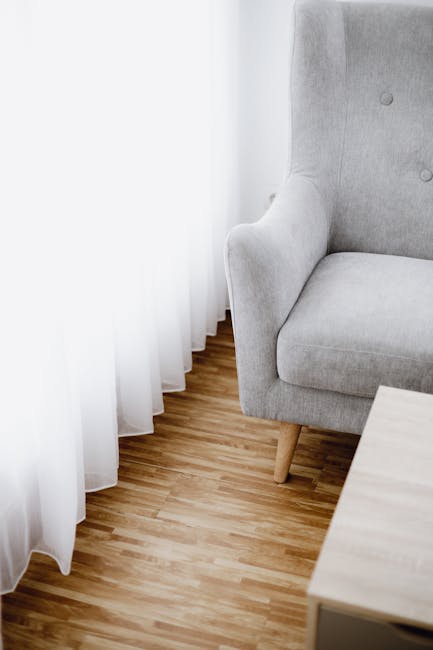
If your sofa is looking a bit tired, the armchair by the window has picked up a dull patch, or the dining chairs have started to hold onto everyday smells, you are not alone. Homes on Barnes High Street see plenty of normal wear: muddy shoes at the door, pets curling up on the cushions, coffee spills that seemed small at the time, and the general dust that London living brings with it. Deep upholstery cleaning for homes on Barnes High Street is about dealing with all of that properly, not just making fabric look surface-clean for a day or two.
This guide explains what deep upholstery cleaning actually involves, why it matters for local homes, how the process works, and how to judge when a simple freshen-up is enough versus when a proper deep clean is the smarter move. It also covers common mistakes, useful checks before a visit, and the practical things people often forget until the room smells a bit better but the stain is still there. Let's face it, upholstery is one of those things you stop noticing until it suddenly needs attention.
Why Deep upholstery cleaning for homes on Barnes High Street Matters
Upholstery does a lot of work in a home. It collects body oils, dust, pet dander, food crumbs, pollen, and the occasional mystery mark that nobody claims responsibility for. Over time, those things settle deep into the fibres and padding, which is why a vacuum alone can only ever do so much.
In Barnes, many homes mix older charm with busy family life. That combination is lovely, but it can be hard on fabric furniture. A well-used sofa near an open window may catch outdoor dust and traffic film. A favourite reading chair can develop uneven wear from daily use. Even if the surface still looks fine, the fabric beneath may be holding more than you think.
Deep cleaning matters because it helps restore the feel of the room, not just the appearance. Fresh upholstery changes how a living room smells, how comfortable it feels, and how clean the whole home seems when you walk in. It can also support better indoor hygiene, especially if someone in the house has allergies or if pets spend time on the furniture.
Key point: the goal is not simply stain removal. It is proper fibre care, residue removal, and a cleaner, healthier finish that lasts longer.
You may also find that professional deep upholstery care sits naturally alongside other home cleaning priorities, such as deep cleaning, domestic cleaning, or a broader one-off clean when the whole property needs a reset rather than a weekly tidy-up.
How Deep upholstery cleaning for homes on Barnes High Street Works
Deep upholstery cleaning is usually a careful, staged process. The exact method depends on the fabric type, the furniture construction, the level of soiling, and whether the item has previous cleaning damage or delicate trims. That last bit matters more than people realise. A linen-look fabric, for example, behaves very differently from a hard-wearing synthetic blend.
1. Inspection and fabric identification
The cleaner should first inspect the piece and identify the fabric care instructions. This helps determine whether water-based cleaning, low-moisture cleaning, or a more cautious spot-treatment approach is appropriate. If the furniture has a manufacturer's label, that can be very helpful. If not, the cleaner looks at fibre behaviour, colour fastness, seams, and construction.
2. Dry soil removal
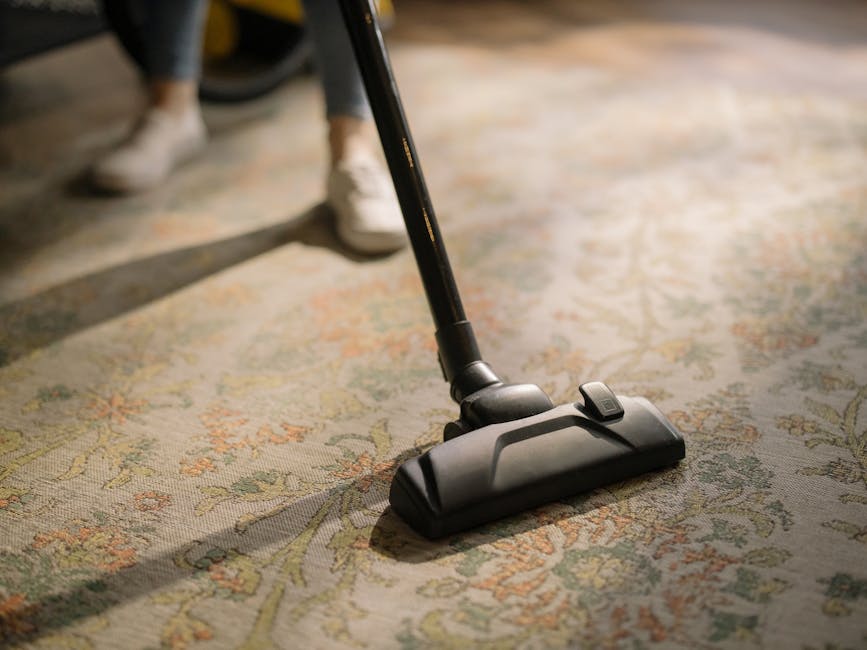
Before any liquid is introduced, loose debris is removed. This usually means thorough vacuuming with upholstery tools to lift dust, grit, crumbs, and pet hair from the surface and into the seams. Skipping this stage is a bit like washing muddy trainers without rinsing them first. You can, but why make life harder?
3. Pre-treatment
Stains and heavily used areas are treated with suitable solutions. Grease, drink spills, body oils, and general grime all respond differently, so a one-size-fits-all product is rarely the best answer. The cleaner may use a light pre-spray or targeted spot treatment and allow a short dwell time so the product can break down the soil safely.
4. Agitation or controlled working-in
Some fabrics benefit from gentle brushing or controlled agitation so the cleaning solution reaches deeper into the fibres. This is done carefully. Too much force can roughen pile, distort seams, or leave fabric looking tired rather than refreshed.
5. Extraction or cleaning removal
Depending on the method used, the cleaner removes the loosened dirt and solution using extraction equipment or a low-moisture technique. The aim is to lift contaminants out of the upholstery, not just move them around. On many jobs, this is where the real visual difference appears.
6. Final grooming and drying guidance
Once cleaned, the fabric may be brushed or groomed so it dries evenly and keeps a pleasant finish. Drying advice is important too. Good airflow, sensible heating, and avoiding immediate heavy use all help. Most people are impatient at this stage. Fair enough. Nobody likes sitting on a damp sofa.
If you are comparing furniture care options, a dedicated service such as upholstery cleaning or sofa cleaning is usually more appropriate than general surface wiping, especially when stains or odours have settled in.
Key Benefits and Practical Advantages
Deep upholstery cleaning offers more than a nicer-looking sofa. The benefits are practical, and in a busy household they can be surprisingly noticeable within a day or two.
- Improved appearance: faded traffic marks, dull patches, and mild staining often lift dramatically.
- Better hygiene: dirt, dust, and everyday buildup are removed from deeper inside the fabric.
- Reduced odours: lingering smells from food, pets, and dampness are less likely to hang around.
- Longer furniture life: regular deep cleaning can help reduce abrasive grit and residue that wear fibres down.
- More comfortable living spaces: a fresher sofa can change the feel of a room more than people expect.
- Useful for visitors or moves: if guests are coming, or you are preparing a property, it makes a strong difference.
There is also the plain emotional benefit. A freshly cleaned sofa makes the whole home feel looked after. That matters. A room can be tidy and still feel a bit flat if the furniture is dull or marked. Once the upholstery is properly cleaned, the space often seems brighter, calmer, and somehow more finished.
Who This Is For and When It Makes Sense
Not every home needs deep upholstery cleaning on a strict schedule, but most homes benefit from it at some point. If you are on Barnes High Street and wondering whether it is worth booking, these are the most common situations where it really makes sense.
- Families with children: snack spills, sticky hands, and day-to-day wear add up fast.
- Pet owners: fur, odours, and paw marks are classic upholstery problems.
- Homes with allergy concerns: deep cleaning can help reduce dust and allergen buildup in fabric.
- Landlords or tenants between occupancy: furniture in furnished lets often needs a reset.
- People hosting events or family visits: a smart-looking lounge creates a better impression.
- After illness or long periods indoors: some households simply want a more hygienic, refreshed feel.
- Anyone with visible staining or odour: if you can see or smell it, it is probably deeper than the surface.
One good rule of thumb: if vacuuming and a light spot clean no longer make a difference, you are probably past the point of DIY maintenance and into proper deep-clean territory.
For homes that need broader support, especially after busy family periods or seasonal resets, house cleaning or home cleaners can complement upholstery care nicely without turning the whole weekend into a cleaning marathon.
Step-by-Step Guidance
If you are planning a deep upholstery clean and want to know what a sensible process looks like, use this as a practical guide. It is not meant to be fussy; it is meant to help you avoid the common missteps that make jobs harder than they need to be.
- Identify the furniture and fabric type. Check for care labels, construction details, and any existing wear.
- Vacuum thoroughly. Pay attention to seams, tufts, underneath cushions, and around buttons.
- Test a small hidden area. This helps check colour fastness and fabric response before broader treatment.
- Pre-treat stains and traffic zones. Focus on arms, headrests, and the front edge of seats where dirt collects.
- Apply the correct cleaning method. Use water-safe, low-moisture, or specialist techniques depending on the material.
- Extract or remove residues properly. The cleaner should not leave the fabric overloaded with solution.
- Dry with good airflow. Open windows if practical, use heating sensibly, and keep cushions spaced out.
- Inspect once dry. Check for missed marks, water rings, or texture changes before the job is considered done.
A small but important detail: cushions often dry faster if rotated during the drying stage. It sounds simple because it is simple, but it helps. Same goes for moving a chair away from a cool wall if it has been cleaned in a colder room.
Expert Tips for Better Results
Some upholstery cleans go beautifully. Others look fine at first and then disappoint a day later because residue wicks back through the fabric. The difference is usually in the detail.
- Act early on spills. Fresh marks are easier to remove than set-in stains, especially from tea, coffee, and food oils.
- Avoid overwetting. Too much moisture can lead to longer drying times, odours, or fabric distortion.
- Use the right tool for the pile. A soft brush works for one fabric; a harsher tool can damage another.
- Do not scrub in circles. That habit often spreads the stain and roughens the surface.
- Be patient with drying. A piece can look clean long before it is fully dry.
- Protect the cleaned area. Keep food, pets, and heavy use off the furniture until it has settled properly.
- Ask about stain type. Ink, wax, makeup, and body oils each need different handling.
Expert summary: good upholstery cleaning is usually less about force and more about judgement. The cleaner who knows when to stop is often the one who gets the best result.
Truth be told, one of the best signs of quality is when a cleaner explains why a particular stain may improve but not vanish completely. That honesty is more reassuring than a big promise, and it saves a lot of awkwardness later.
Common Mistakes to Avoid
Upholstery can be surprisingly forgiving, but it is also easy to mishandle. A few avoidable mistakes show up again and again.
- Using the wrong product: bleach-based or overly harsh cleaners can damage fibres and colour.
- Overapplying water: this often creates water marks or pushes dirt deeper into the padding.
- Ignoring the label: care codes exist for a reason, even if they look a bit boring.
- Scrubbing stains aggressively: this can distort the weave and make the area look worn.
- Drying too slowly: a damp sofa left in a cool room can develop a musty smell.
- Expecting instant perfection: some older stains improve rather than disappear completely.
One more practical point. If the furniture has delicate trims, mixed fabrics, or decorative studs, it is worth slowing down. Those details can make a straightforward job slightly awkward, and that is exactly where experience helps.
Tools, Resources and Recommendations
You do not need a room full of equipment to understand what makes a good result, but it helps to know what the professional should be using.
- Upholstery vacuum attachments: for seams, cushions, and tight corners.
- Spotting cloths and absorbent towels: useful for lifting spills without spreading them.
- Fabric-safe pre-sprays: designed to break down general soil and body oils.
- Soft brushes and grooming tools: help lift fibres and improve finish.
- Controlled extraction equipment: used where moisture removal is appropriate.
- Airflow and drying support: open windows, ventilation, or careful use of indoor airflow.
When comparing providers, a good cleaning company should be able to explain the method, the drying expectations, and any limitations before they start. If they also talk you through pricing and quotes clearly, that is usually a helpful sign. Not a guarantee, of course, but helpful.
If your home needs more than furniture care, it may also be worth looking at support such as carpet cleaning, rug cleaning, or window cleaning so the room feels fully reset rather than halfway there.
Law, Compliance, Standards and Best Practice
For domestic upholstery cleaning, there is usually no special legal formality the homeowner has to manage, but that does not mean standards are irrelevant. Good practice still matters, especially where safety, insurance, and property care are concerned.
In the UK, a sensible professional approach generally includes:
- Following fabric care instructions where labels or manufacturer guidance are available.
- Using suitable products responsibly so there is no unnecessary damage to fibres, dyes, or nearby finishes.
- Working safely around electrical items, furniture frames, and wet floors.
- Being insured so accidental damage is handled properly if something unexpected happens.
- Explaining limitations honestly rather than pretending all stains are removable.
You should also expect clear communication about payment, booking terms, and what happens if access changes on the day. Pages such as payment and security, terms and conditions, and insurance and safety are useful trust signals because they show the company has thought through the practical side of the work.
That may sound like admin, but it really isn't. It is part of protecting your home and making sure the job is done in a straightforward, professional way.
Options, Methods, or Comparison Table
Different upholstery situations call for different methods. Here is a simple comparison to help you think it through.
| Method | Best for | Strengths | Limitations |
|---|---|---|---|
| Vacuum-only refresh | Light dust and surface crumbs | Quick, cheap, useful between deeper cleans | Will not remove embedded soil or stains |
| Spot cleaning | Fresh spills and isolated marks | Targets a small area with minimal disturbance | Can create rings if used carelessly |
| Low-moisture upholstery cleaning | Delicate fabrics and faster drying needs | Gentler on certain materials, less drying time | May be less effective on heavy buildup |
| Hot water extraction / deep extraction | Heavily used sofas and armchairs | Can remove deeper dirt and residue very well | Requires careful fabric suitability and drying |
| Specialist stain treatment | Specific problem stains | Tailored to the stain type | Not every stain can be fully removed |
If you are unsure which method suits your furniture, a proper inspection is worth more than guesswork. Fancy equipment is not the point. The right process is.
Case Study or Real-World Example
A typical local example goes something like this. A family in a Barnes High Street flat had a pale sofa that had slowly changed character over two years. Nothing dramatic, just a bit duller each month. There were light tea marks on one cushion, pet hair in the seams, and that faint used-furniture smell that appears when fabric has absorbed everyday life.
They had tried vacuuming more often and used a shop-bought foam cleaner once. That helped the surface for a few days, then the marks came back around the edges. Very annoying, honestly.
After a proper deep upholstery clean, the difference was not only visual. The sofa felt fresher, the room smelled cleaner, and the family stopped covering the faded cushion with a throw every time guests came round. The biggest surprise for them was how much lighter the room felt at the end of the afternoon. Small change, big mood shift.
That is often the pattern with upholstery. You are not just cleaning fabric. You are restoring the room's comfort level.
Practical Checklist
Use this checklist before booking or carrying out deep upholstery cleaning at home.
- Check the fabric care label if one is available.
- Identify the main issue: stains, odour, dust, general dullness, or pet hair.
- Vacuum the furniture thoroughly first.
- Remove loose cushions and inspect seams and joins.
- Test any cleaning product in a hidden area.
- Protect nearby flooring and woodwork from moisture.
- Allow enough drying time before heavy use.
- Keep pets and children off the furniture until dry.
- Ask about stain limitations before the work begins.
- Confirm the method is suitable for the specific fabric.
If you are already planning a broader home refresh, it can make sense to combine upholstery work with oven cleaning or domestic cleaning. That way the whole property feels cleaner, not just one corner of it.
Conclusion
Deep upholstery cleaning for homes on Barnes High Street is one of those jobs that quietly improves everyday life. It brightens a room, removes embedded dirt, tackles lingering smells, and helps furniture last longer. More importantly, it gives a home that properly cared-for feel that surface cleaning alone rarely achieves.
The best results come from matching the method to the fabric, treating stains with judgement rather than force, and allowing enough time for the fibres to dry and settle. If you have been living with a tired sofa or marked dining chairs, this is often the point where a deep clean stops being a nice idea and becomes the sensible next step.
Get a free quote today and see how much you can save.
And if you want to learn more about the company behind the work, you can review the about us page or read the recycling and sustainability information for a better sense of how the service is run. Little details matter more than people think.
Frequently Asked Questions
How often should upholstery be deep cleaned in a busy home?
Most homes benefit from deep upholstery cleaning every so often depending on use, pets, children, and fabric type. If a sofa gets heavy daily use, sooner is usually better than later.
Can deep upholstery cleaning remove old stains?
It can often improve old stains a great deal, but not every mark will disappear completely. Stain age, fabric type, and what caused the stain all affect the outcome.
Is upholstery cleaning safe for delicate fabrics?
It can be, if the method is matched correctly to the fabric. Delicate materials need careful inspection and a gentler approach, not a one-size-fits-all treatment.
How long does upholstery take to dry?
Drying time varies depending on the cleaning method, ventilation, room temperature, and fabric thickness. Some pieces dry relatively quickly, while thicker cushions can take longer.
Will deep cleaning remove pet odours?
It often helps a lot because it removes dirt and residues that hold smells, though severe odours may need extra treatment. The source of the smell matters too.
Can I clean upholstery myself with supermarket products?
You can tackle light marks, but retail products can be risky on some fabrics. Overwetting, scrubbing, and using the wrong chemical are the usual troublemakers.
What is the difference between sofa cleaning and upholstery cleaning?
Sofa cleaning usually refers to sofas specifically, while upholstery cleaning covers sofas, armchairs, dining chairs, and other fabric-covered furniture. The process is similar, but the item type changes the approach.
Do I need to move the furniture before the cleaner arrives?
Not always, but it helps to clear the surrounding area. If you are unsure, ask in advance so the visit runs smoothly and nobody ends up playing furniture Tetris on the day.
Can upholstery cleaning help with allergies?
It can reduce dust and allergen buildup in fabric, which may make the room feel fresher. It is not a medical treatment, of course, but it can support a cleaner indoor environment.
What should I look for in a professional upholstery cleaning service?
Look for clear explanations, suitable methods, insurance, care with fabric identification, and honest expectations about results. A good service should feel careful, not rushed.
Is deep upholstery cleaning worth it for older furniture?
Often, yes. If the frame is sound and the fabric is still suitable for cleaning, a deep clean can make older furniture look and feel much better. Sometimes it is the difference between replacing and keeping it.
Can upholstery cleaning be combined with other home services?
Yes, and that is often the most efficient approach. Many homeowners pair it with carpet care, rug cleaning, or broader domestic cleaning so the whole space gets refreshed at once.
For any questions about service arrangements, policies, or booking details, the website also includes useful pages such as complaints procedure, privacy policy, and contact us. Not glamorous reading, maybe, but reassuring in the right way.
Sometimes a home just needs a proper reset. A good deep clean can do that quietly, without fuss, and leave the place feeling a lot more like itself again.